Teaching is one of the oldest and universal professions in human society. In the slave society period, lay teachers have appeared. As a student, many years of personal learning experience have given me a deep understanding of the changes in the profession of teachers.
With the development and integration of biological, physical and digital technologies in the 21st century, the fourth industrial revolution was launched. For teachers, in order to cope with the changes and challenges brought about by the new technological revolution, transformation is necessary (Ally, 2019). For example, teachers need to adapt to changes in the curriculum content, teaching methods, and teaching tools of schools, what’s more, the qualities and abilities that teachers should possess are also different from those in the past.
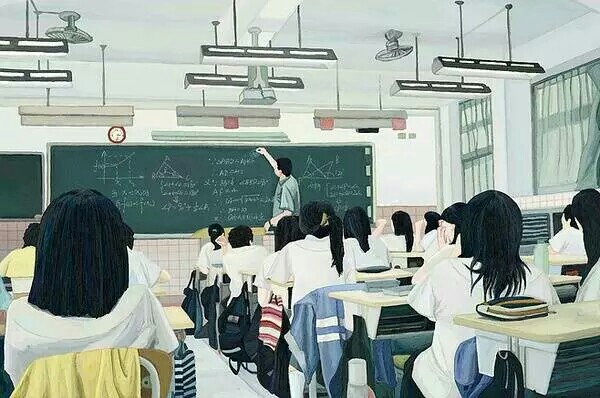
The traditional classroom teaching mode is a teacher-centered, book-centered and classroom-centered teaching mode. Students need to take classes at a specific time and place. Teaching tools are usually only books, blackboards and chalk or markers. The teaching process is often one-way indoctrination and passive acceptance by students.

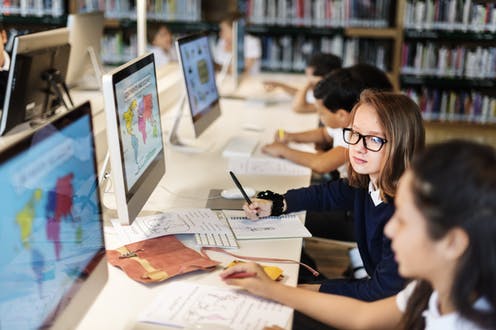
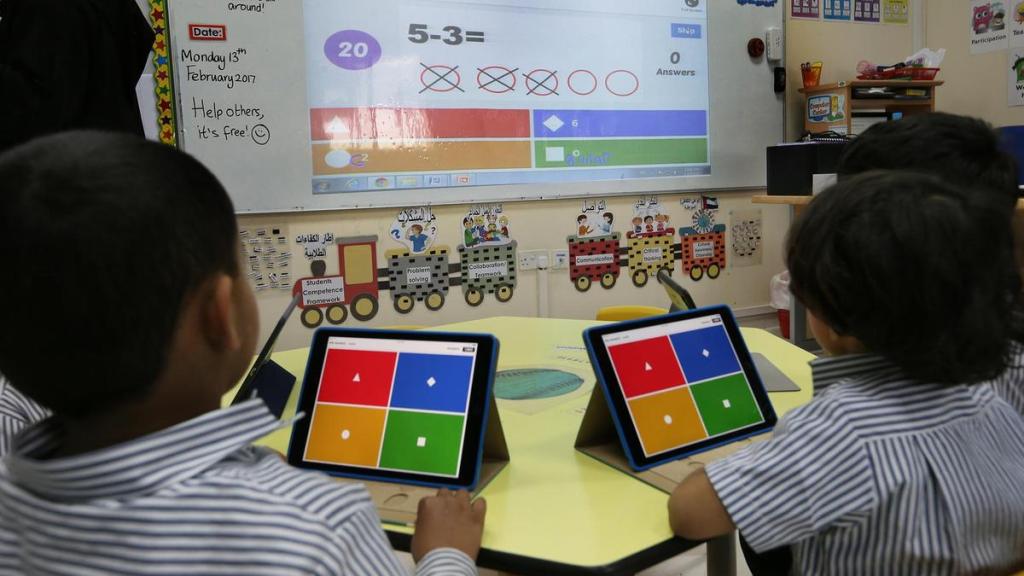
In the era of the digital economy, the education industry in various countries around the world has begun to relax the traditional model and shift to the digital education model, which is particularly significant in developed countries. Multimedia teaching, online classroom and virtual simulation have become the main methods of classroom teaching. At the same time, new developments in modern learning theories such as connectivity, ubiquitous learning, and blended learning are also widely used in teaching practice, such as flipped classrooms, mobile learning, MOOCs (massive open online courses) , and micro-lectures. The teaching tools mainly rely on electronic equipment and networks. Students can also allocate time for autonomous learning according to their own conditions, no longer limited by time and place. These changes are coming from the impact of digitalization, informationization and automation on education.

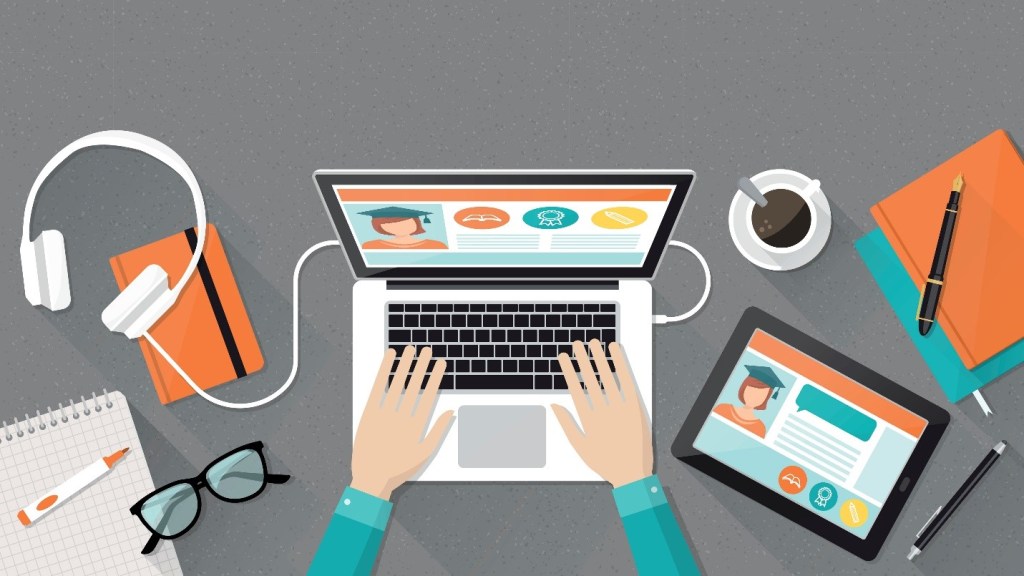

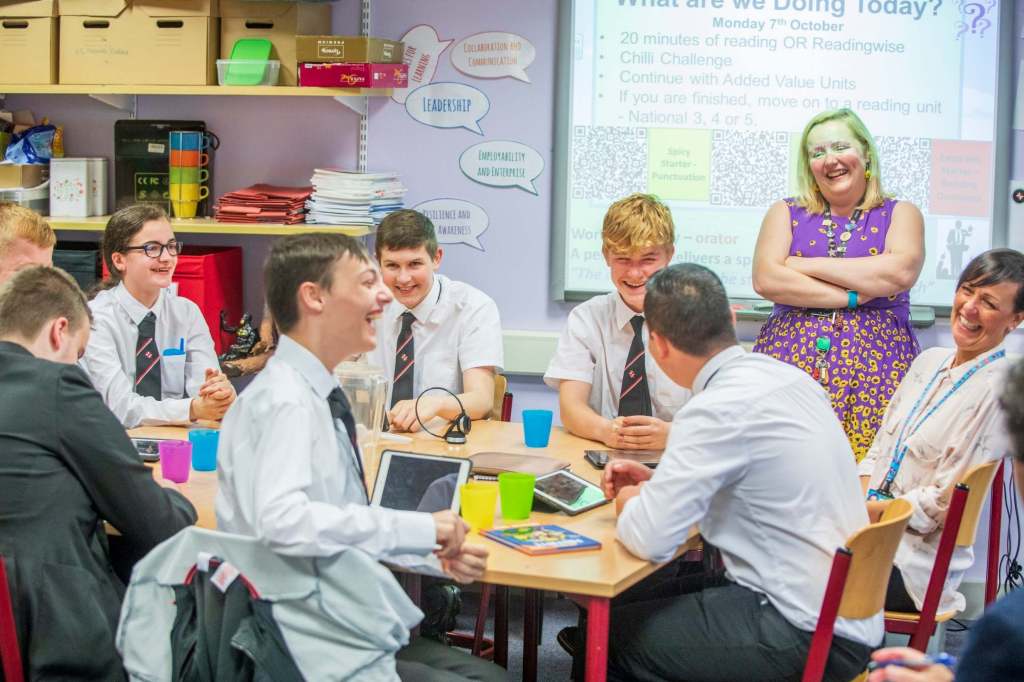
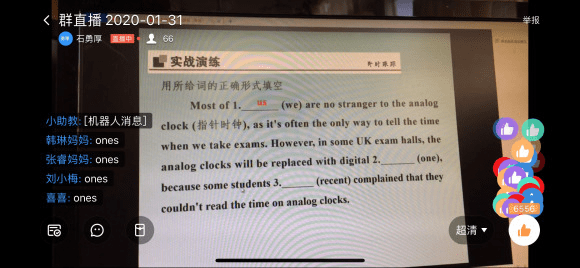
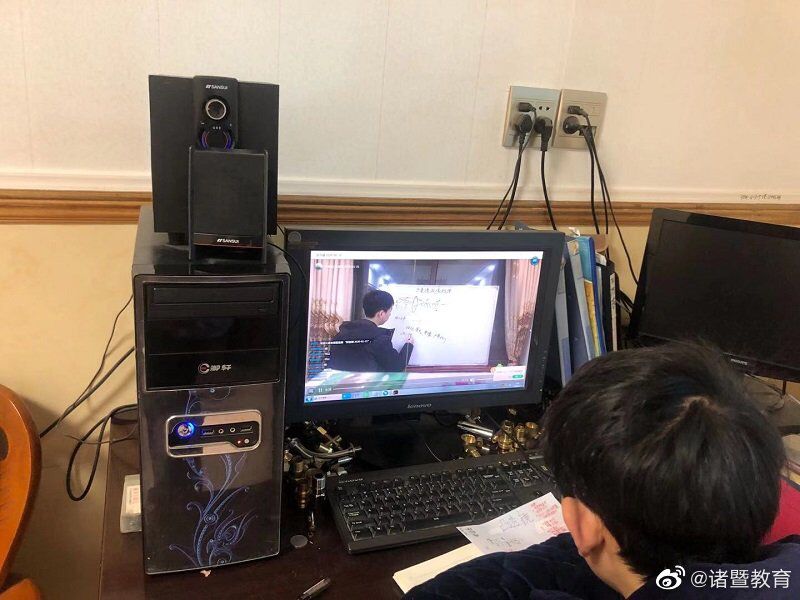
In a recent case, due to the severe situation of coronavirus in Wuhan,China, in order to ensure the safety of teachers and students in primary and secondary schools and universities, the Ministry of Education has notified that provinces and cities across the country need to delay the start of spring school. In response to this measure, tens of thousands of schools across the country have implemented online teaching to ensure non-stop classes. Interact with students through the functions of group live broadcast, recording and broadcasting, in addition to class, there are also homework assignments, examinations and other methods to assess the student’s learning. This was impossible in the past.


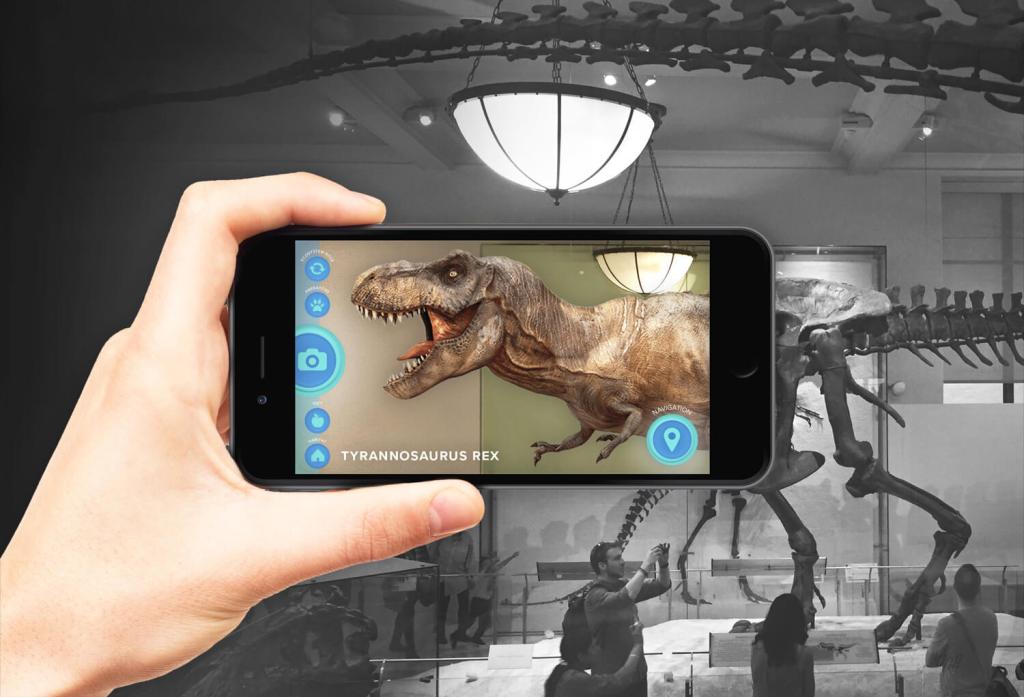
In addition, for teaching content, due to digital technology, the content of some disciplines has also become enriched and colorful, such as using virtual reality technology to enable students to perform specific experiments in biology or chemistry classes. Or using augmented reality technology to provide students with a virtual experience of some historical events or observe and study historical relics in history classes.


Due to the development of digital technology, whether the machine will replace teachers in the future is one of the problems that many teachers pay most attention to. According to forecasts (McKinsey & Company, 2020), by 2030, the percentage increase or decrease of the teacher position in some countries is shown in the picture.

Even though many areas of education have been replaced by technology, there are still some that cannot be replaced. For example, interactive communication between teachers and students. If you want to improve your performance, it is very important to solve individual problems of students through personalized teaching. In the future, in order to stabilize the position of teachers, teachers should make changes in their abilities. The following points are required (Cekić-Jovanović, O., Đorđević, M. and Đorđević, M. ,2019) :
- Ability to implement digital teaching
- Socio-emotional competence, humanitarianism
- Solve the problems, analysis
- Critical thinking
- creativity, artistry, curiosity, imagination, innovation
- Ability to learn with the times and open spirit
- Good communication skills, personal expression
- Perseverance, self-direction, planning, self-discipline, adaptability, initiative
- Leadership, teamwork
- Information and communication technology (ICT) literacy, media and internet literacy, computer programming
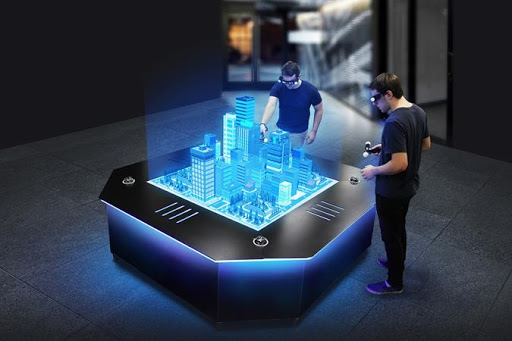
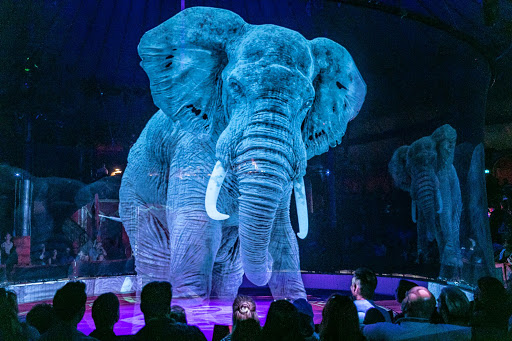
Future teaching may rely on front-projected holographic display to fully combine and utilize real and virtual resources to make online courses more realistic. The classrooms of the future will be more humane, and the movements and state of teachers and students can be monitored in real time, making classrooms easier to manage and more efficient (Zhang, A. and Zhou, T. , 2017).

From the current point of view, even though the digital economy is developing rapidly, the profession of teachers is still difficult to be replaced by artificial intelligence. Artificial intelligence can do some heavy repetitive analytical work for teachers, but it is difficult to do some creative work for teachers. For example, teaching innovation, experience transfer, emotional care, training of students’ quality and emotional intelligence, and stimulating students’ enthusiasm for learning. After all, in addition to impart knowledge, the teacher’s role is to educate people.
References
Ally, M. (2019). Competency Profile of the Digital and Online Teacher in Future Education. The International Review of Research in Open and Distributed Learning, 20(2).
Cekić-Jovanović, O., Đorđević, M., & Đorđević, M. M. (2019). The influence of the flipped classroom model on the development of key competences of future teachers. Stanisław Juszczyk, 271.
McKinsey & Company. (2020). Jobs lost, jobs gained: What the future of work will mean for jobs, skills, and wages. [online] Available at: https://www.mckinsey.com/featured-insights/future-of-work/jobs-lost-jobs-gained-what-the-future-of-work-will-mean-for-jobs-skills-and-wages [Accessed 9 Feb. 2020].
Zhang, A., & Zhou, T. (2017, December). Future classroom design of teaching from the perspective of educational technology. In 2017 International Conference of Educational Innovation through Technology (EITT) (pp. 203-206). IEEE.
 Life Goes On
Hi Xiyao,
As a student, your perspective of this blog post is very practical, and I will post some of my own ideas below.
Above all, the distance classroom you proposed, digital teaching is indeed a trend in today’s era, and this model broadens the form and possibility of learning. However, its shortcomings are also very obvious. Because there is no large-scale put into use, there may be stuttering in the online video or insufficient platform carrying capacity, which makes it impossible to watch the playback.
Secondly, in the remote areas of China, the poor education of poor families and the Internet has led to the failure to promote this new type of education model.
Finally, you mentioned the news about Wuhan Coronavirus affecting China’s basic education, and I also paid attention to a series of events. I find it difficult to promote education in the era of big data. Because it ’s really inconvenient for teachers to manage and for those younger students, and it ’s a little funny to have a physical education class through video, do n’t you think so?
Jing Jing
LikeLike
Hi Xiyao, I really like how you related the fact that how coronavirus has affected education in China and led to online teaching! Nonetheless, I do think that there are some Chinese students who have difficulties reaching to platforms that are under censorship control in China. I have gone through some articles in which students who study overseas but got stuck in China due to the disease, and are unable to reach to the online teaching forum that their home universities outside of China uses, eg Google. This can also be an issue for Chinese students as there has been a surging number for chinese international students around the world! This may get onto the political perspective but I do think there is a need of the Chinese government and overseas universities reaching to an agreement on a specific online learning platform that is accessible for everyone. (147 words)
LikeLike
Due to the development of digital technology, the teacher industry has broken the constraints of space and time, and at the same time, teaching methods have become diverse. These advances have never been imagined. As the author said, public health events have prompted the industry accept change faster. Is online teaching likely to become a mainstream educational tool for the future? At the same time, some voices said that the results of online teaching may not be as good as face-to-face teaching. Different students must adapt to different teaching methods. It is not certain that the change of this method is beneficial to all students.
LikeLike
Hi Xiyao, I enjoyed your blog, and I’d like to share my personal learning experience on MOOC and within the module of Digital Business Model, to show how the online and flipped classrooms have benefited me as a learner! MOOC has not only offered me a unique study experience by totally learning online, sharing thoughts and communicating learning outcomes with learners all over the world, also allowed me to choose anytime and anywhere to conduct my studies. Combined with the flipped classroom as how Digital Business Module works, the role of teacher has been changed from a presenter on lecture to a feedback-giver and advisor for students’ online self-study. As a result, the excessive burden of repetitive teaching work can be eased from the teachers, and students are able to improve their self-management, time-management and self-study abilities. Personally, I’m quite enjoying this innovative way of study! What would you think?
LikeLike
Hi Xiyao, through your blog, it shows the important relationship between technology and education. With the combination of technology and education, teachers are facing important influences. I agree with you on this point. Online courses enable remote instruction, saving time and convenience for teachers. Therefore, the example you put forward in Wuhan, China more accurately reflects the convenience brought by the development of science and technology to teachers and students. On the other hand, with the continuous development of digitalization, various types of courses can be viewed on the Internet. This gives us more learning opportunities. Therefore, I think the digital transformation of teachers can increase our learning opportunities, but will not be affected by future artificial intelligence. This is because artificial intelligence cannot be replaced in teaching students how to do things for others.
LikeLike