After 11 weeks of studying the Digital Business Models module, I felt a completely different learning model and I also had some thoughts and feelings about the content of the course.
This course is almost full-course online teaching, including online courseware, video, MOOC and other teaching modes. Students posted blogs to give feedback on their learning level of course knowledge. This form of blog integrates course knowledge with the current development of all walks of life and is a very ideal combination of books and practice.
Created by Xiyao ZHENG using ‘Canva’
My reflections
I am interested in some content of this course and also saw relevant knowledge from classmates’ blogs, here are some of my records.
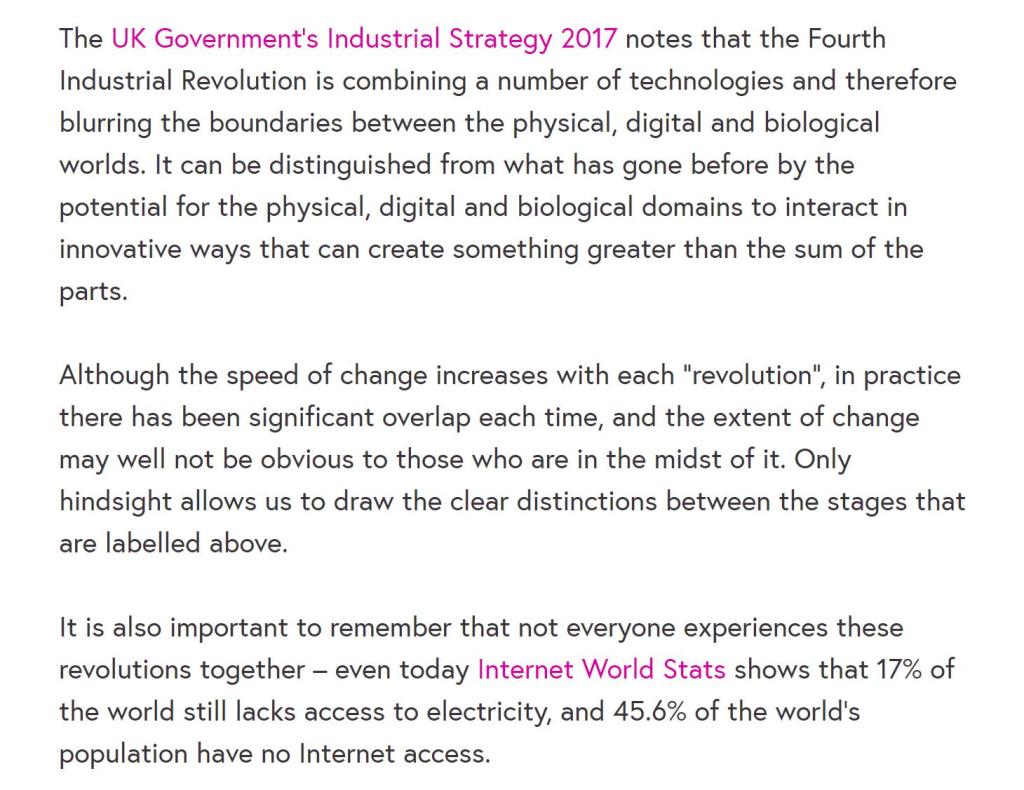
The first is the understanding of the Fourth Industrial Revolution. The concept of Industry 4.0 first appeared in Germany. The fourth industrial revolution was the transformation of social production methods driven by technologies such as the Internet of Things, big data, robots, and artificial intelligence (Waghid, Waghid and Waghid, 2019). The core of this technological revolution is the deep integration of networking, information and intelligence. Therefore, in the long run, it is necessary to develop and apply digital business models.
The picture content is from the screenshot of MOOC
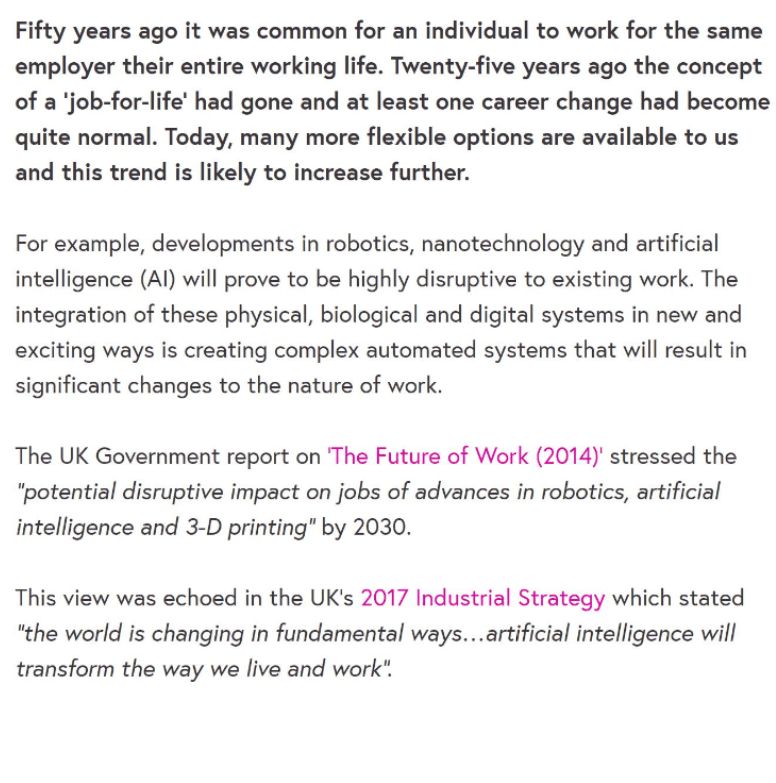
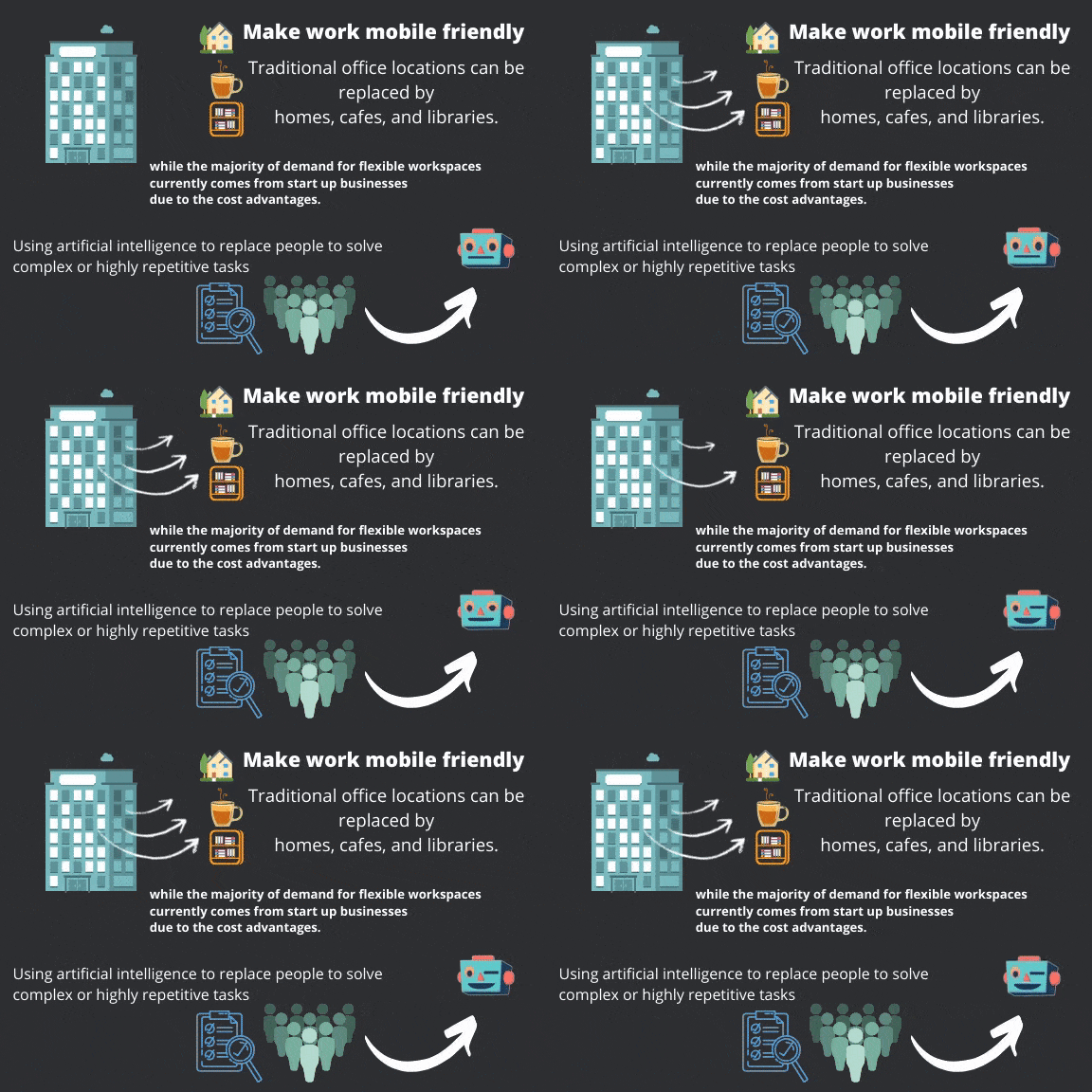
The second topic of concern is the impact of digital business models on people. The purpose of people’s work is not only satisfied with completing tasks, but also needs to be developed and learned in the work. Of course, even with the development of science and technology, there will be occupations and organizations that cannot be replaced, because they have special characteristics such as those shown below. Digitalization brings convenience, such as working hours and locations are no longer limited (O’Halloran, 2017), but it also brings challenges, such as great changes in sales formats. Traditional distribution channels have been squeezed, new channels represented by e-commerce platforms have expanded rapidly, the channels for production companies and consumers have become shorter, and the way in which products are spread has changed (Rad, Ghorabi, Rafiee and Rad, 2015). In short, people should seize opportunities and dare to accept challenges.
Created by Xiyao ZHENG using ‘Canva’
The picture content is from the screenshot of MOOCCreated by Xiyao ZHENG using ‘Canva’
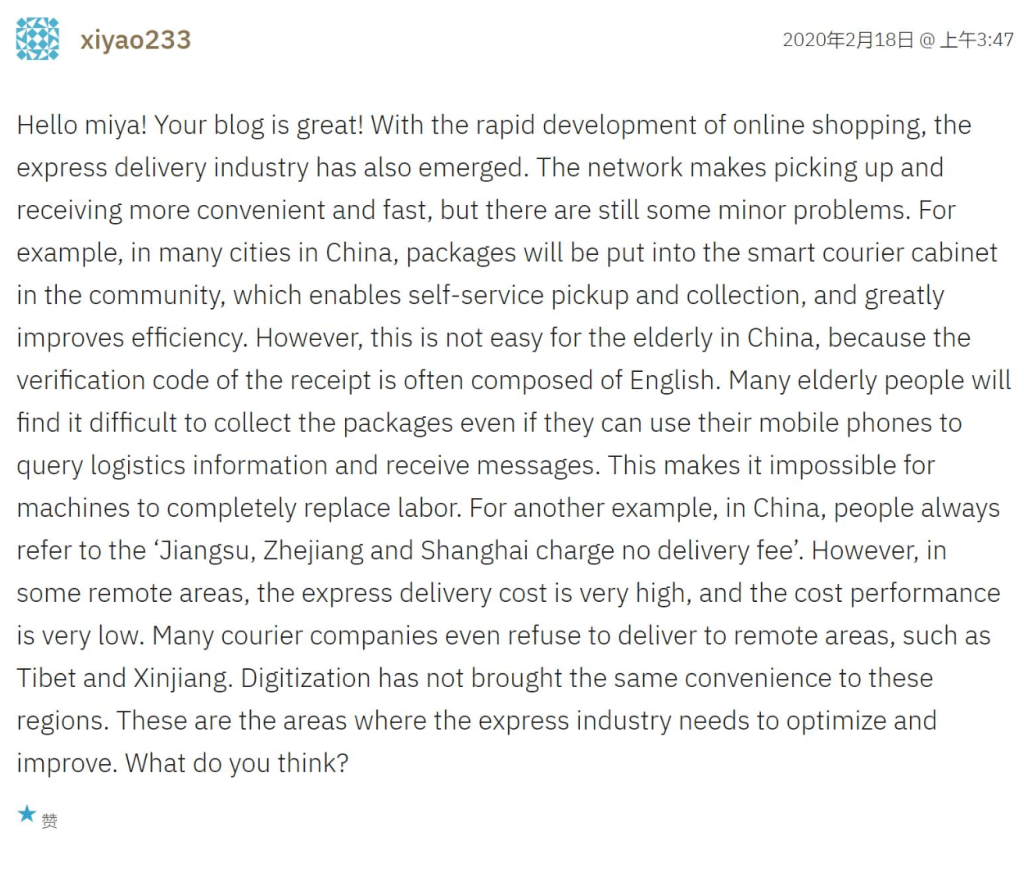
Finally, I have some reflections on blog comments. Below are screenshots of some of my comments on my classmates’ blogs. Through their comments on my blog and responses to my comments, I found that personal opinions are actually limited, and many views are narrow, but through multi-party exchanges, ideas can be broadened and articles can be sublimated and more in-depth.
Rad, H. S., Ghorabi, M., Rafiee, M., & Rad, V. S. (2015). Electronic customer relationship management: Opportunities and challenges of digital world. International Journal of Management, Accounting & Economics, 2(6), 609-619.
Waghid, Y., Waghid, Z. and Waghid, F., 2019. The fourth industrial revolution reconsidered: On advancing cosmopolitan education. South African Journal of Higher Education, 33(06).
In 1987, KFC opened its first fast-food restaurant in Beijing, China. Today, KFC can be seen in more than 1,000 cities and towns (Business Insider, 2019), and KFC has become one of the oldest western-style fast-food restaurants in China.
Developing New Retail Models
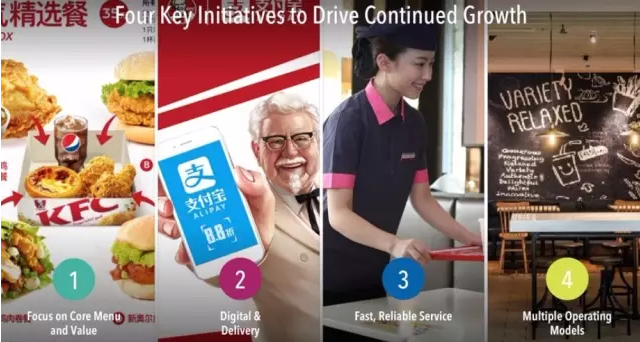
Four years ago, before the new retail concept was proposed on a large scale, “digital transformation” had been put on the agenda of Yum! China. However, for a restaurant giant like KFC, it is not easy to think about inviting customers from more than 5,000 offline stores to online at the same time. Therefore, on the road to success, it has repeatedly failed: KFC has developed three apps, including home delivery and mobile phone orders, but users only use these apps as a ready-to-go tool, not a platform.
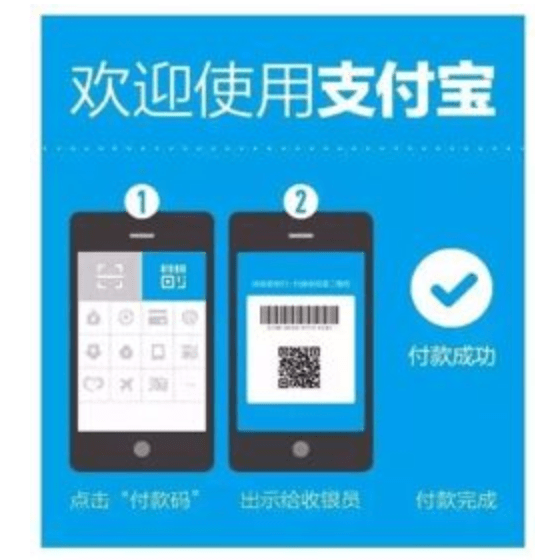
After many attempts, KFC has found the best entry point for digital transformation: payment. This will not only make consumers’ payment behavior more convenient but also avoid corporate cash management costs. It took only six weeks for KFC and Alipay to complete the process from planning to completion, with more than 5,000 stores simultaneously accessing mobile payments (Sophie Loras, 2015).
Nowadays, KFC has accumulated more than 100 million online members, and has completely built the app into a mobile platform that can be ordered, paid, reserved, and delivered. This ‘new retail’ model breaks the location restrictions, crosses time and space, and expands the service radius. In the past, catering retail relied on the promotion of traditional television, poster advertising, and certain conditions: for example, KFC’s breakfast sales are affected by the weather or the number and time of commuters’ shuttle buses. But now consumers can book an order directly through the app or choose takeaway delivery. By narrowing the restrictions on time and place and expanding the scope of services, customer satisfaction and retention rates will increase.
In the evolution of data and unmanned retail, although AI is still in its very early stages of development, it is a good medium. KFC first cooperated with Baidu on a voice ordering robot product. The video below introduces it in detail. The idea is very good, but in practice, many challenges are still encountered: for example, the extremely noisy restaurant environment makes the sound unrecognizable and the dialects are not standard enough. However, KFC is still trying, and has already established a number of artificial intelligence projects, dedicated to making technology better serve customers.
In addition to creating new platforms and developing intelligence, KFC’s success in digital transformation is also due to its cross-border marketing. For example, in 2017, KFC launched a KFC commemorative mobile phone in cooperation with Huawei to commemorate 30 years of opening in China. And Huawei users have K-Music song order privileges, that is, they can use the Huawei mobile phone to order the background music of the restaurant in more than 4,000 stores. When this ‘karaoke’ platform was first launched, it had 600,000 songs per month, and now it continues to attract fans to make a list of their idols by using songs. In addition, the commemorative mobile phone also includes KFC vouchers, virtual currency and other benefits (Whitwam, 2017). From the comprehensive introduction of mobile payments to the establishment of online virtual restaurants, KFC’s digitalization is moving faster and faster, and it continues to create new consumer experiences in the digital mobile era with consumers.
Another good example of cross-border marketing is the cooperation with mobile game ‘Onmyoji’ in 2017. If the player is in a KFC physical store, he can encounter special bosses and get unique rewards. Purchase game packages at KFC also get rich redemption codes for game items (KFC X ONMYOJI, 2017). This linkage activity allows virtual content to be combined with real-life, online and offline experiences, which greatly increases the consumer’s sense of interaction, and also enhances the operating profit of the companies on both sides. It is successful win-win cooperation.
In addition to cross-border marketing, KFC is also involved in the sharing economy. In China, many stores have begun to provide shared charging treasures and shared umbrellas in stores, and you can rent them by scanning the QR code. In addition, KFC also launches e-vouchers from time to time to share links, and offers special membership food and other welfare activities every Thursday.
In general, KFC has been promoting music cooperation, sports cooperation, game cooperation, variety cooperation, new technology applications and digital experiences in recent years, and strived to transform from traditional enterprises to intelligent marketing, and has achieved success:every year sales and number of stores are increasing. Taking 2019 as an example, in 2019, KFC’s total sales increased by 11% year-on-year, same-store sales increased by 4%, and the number of stores increased by 742 compared with last year. According to the plan, Yum! China will continue to increase investment in IT infrastructure and supply chain in 2020, so it still has good development prospects.
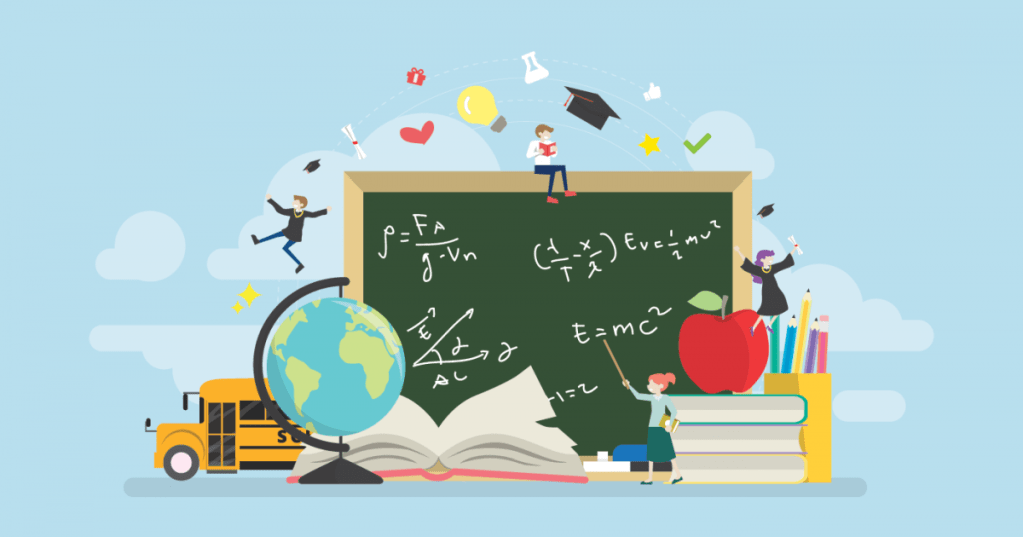
Teaching is one of the oldest and universal professions in human society. In the slave society period, lay teachers have appeared. As a student, many years of personal learning experience have given me a deep understanding of the changes in the profession of teachers.
With the development and integration of biological, physical and digital technologies in the 21st century, the fourth industrial revolution was launched. For teachers, in order to cope with the changes and challenges brought about by the new technological revolution, transformation is necessary (Ally, 2019). For example, teachers need to adapt to changes in the curriculum content, teaching methods, and teaching tools of schools, what’s more, the qualities and abilities that teachers should possess are also different from those in the past.
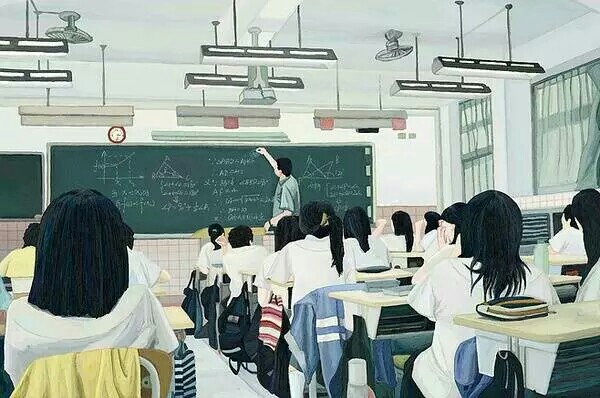
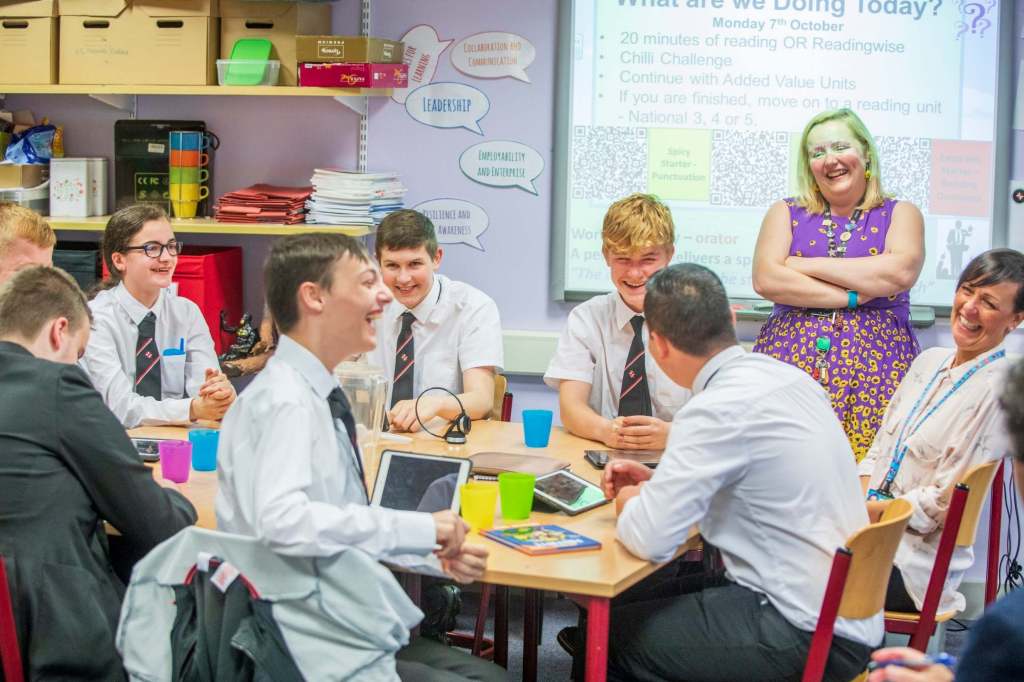
The traditional classroom teaching mode is a teacher-centered, book-centered and classroom-centered teaching mode. Students need to take classes at a specific time and place. Teaching tools are usually only books, blackboards and chalk or markers. The teaching process is often one-way indoctrination and passive acceptance by students.
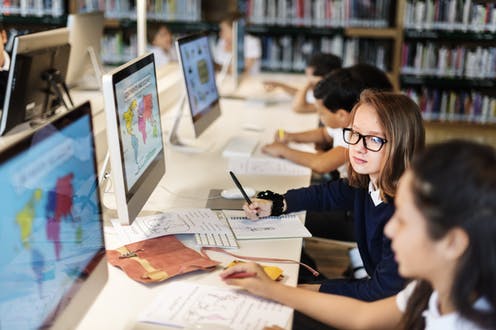
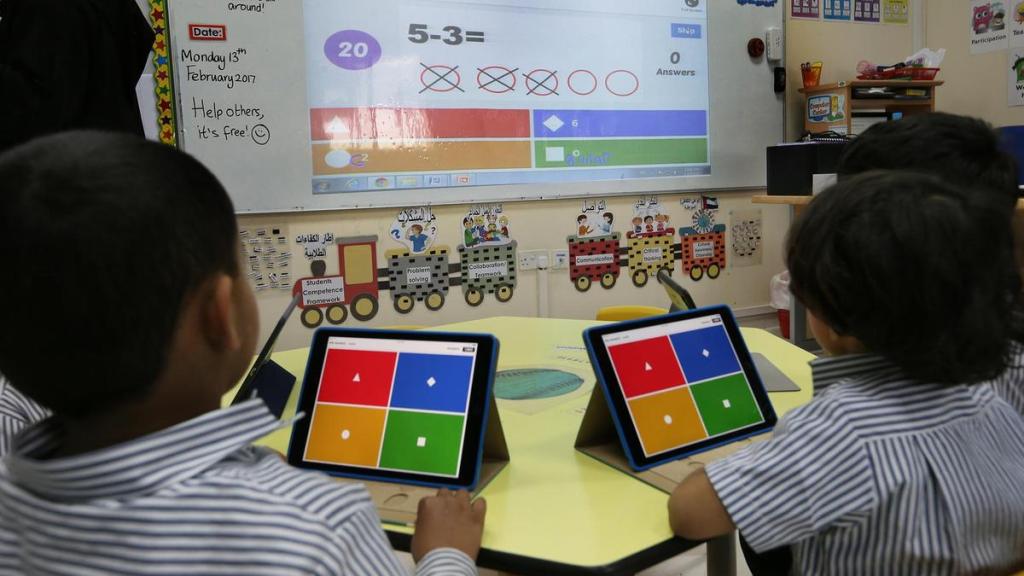
In the era of the digital economy, the education industry in various countries around the world has begun to relax the traditional model and shift to the digital education model, which is particularly significant in developed countries. Multimedia teaching, online classroom and virtual simulation have become the main methods of classroom teaching. At the same time, new developments in modern learning theories such as connectivity, ubiquitous learning, and blended learning are also widely used in teaching practice, such as flipped classrooms, mobile learning, MOOCs (massive open online courses) , and micro-lectures. The teaching tools mainly rely on electronic equipment and networks. Students can also allocate time for autonomous learning according to their own conditions, no longer limited by time and place. These changes are coming from the impact of digitalization, informationization and automation on education.
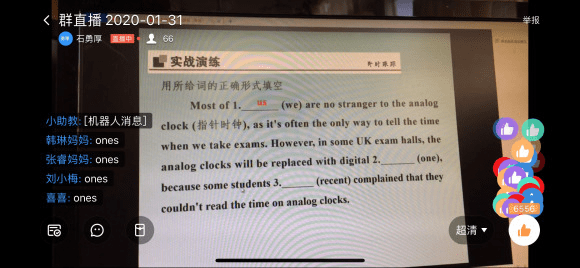
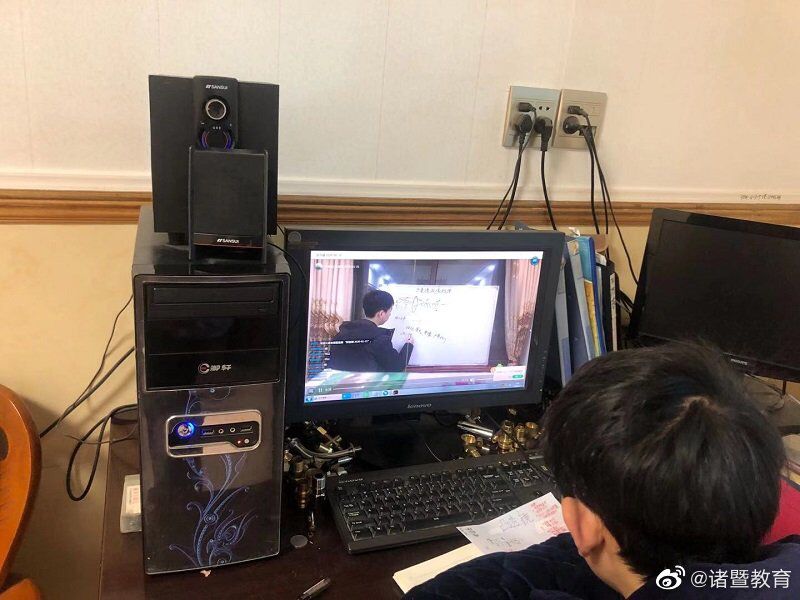
In a recent case, due to the severe situation of coronavirus in Wuhan,China, in order to ensure the safety of teachers and students in primary and secondary schools and universities, the Ministry of Education has notified that provinces and cities across the country need to delay the start of spring school. In response to this measure, tens of thousands of schools across the country have implemented online teaching to ensure non-stop classes. Interact with students through the functions of group live broadcast, recording and broadcasting, in addition to class, there are also homework assignments, examinations and other methods to assess the student’s learning. This was impossible in the past.
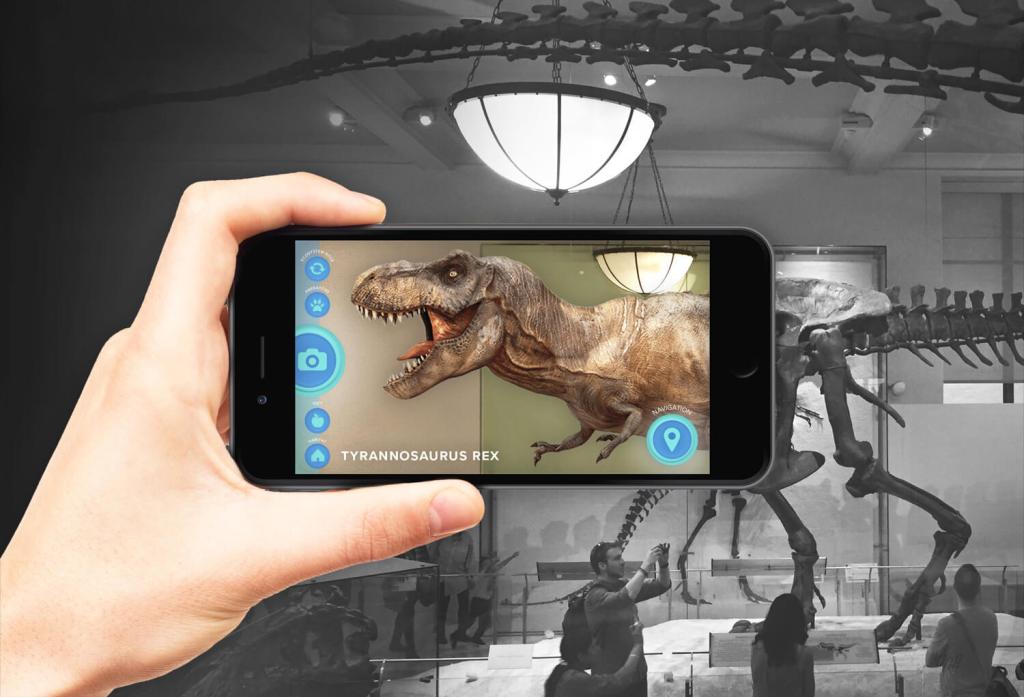
In addition, for teaching content, due to digital technology, the content of some disciplines has also become enriched and colorful, such as using virtual reality technology to enable students to perform specific experiments in biology or chemistry classes. Or using augmented reality technology to provide students with a virtual experience of some historical events or observe and study historical relics in history classes.
Due to the development of digital technology, whether the machine will replace teachers in the future is one of the problems that many teachers pay most attention to. According to forecasts (McKinsey & Company, 2020), by 2030, the percentage increase or decrease of the teacher position in some countries is shown in the picture.
Even though many areas of education have been replaced by technology, there are still some that cannot be replaced. For example, interactive communication between teachers and students. If you want to improve your performance, it is very important to solve individual problems of students through personalized teaching. In the future, in order to stabilize the position of teachers, teachers should make changes in their abilities. The following points are required (Cekić-Jovanović, O., Đorđević, M. and Đorđević, M. ,2019) :
Information and communication technology (ICT) literacy, media and internet literacy, computer programming
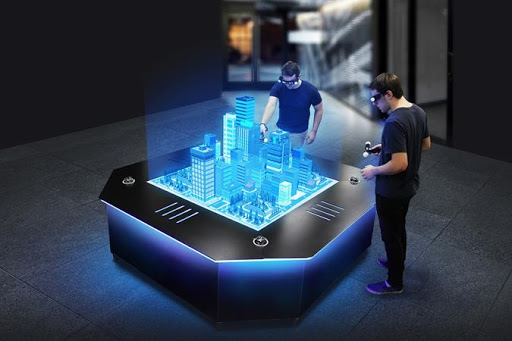
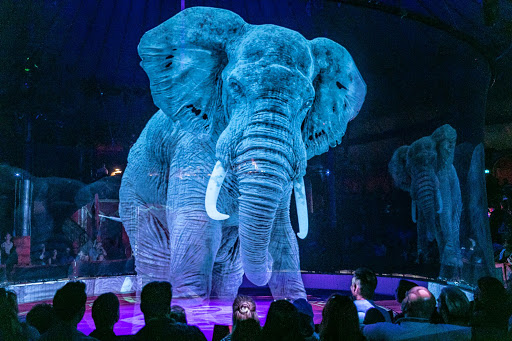
Future teaching may rely on front-projected holographic display to fully combine and utilize real and virtual resources to make online courses more realistic. The classrooms of the future will be more humane, and the movements and state of teachers and students can be monitored in real time, making classrooms easier to manage and more efficient (Zhang, A. and Zhou, T. , 2017).
From the current point of view, even though the digital economy is developing rapidly, the profession of teachers is still difficult to be replaced by artificial intelligence. Artificial intelligence can do some heavy repetitive analytical work for teachers, but it is difficult to do some creative work for teachers. For example, teaching innovation, experience transfer, emotional care, training of students’ quality and emotional intelligence, and stimulating students’ enthusiasm for learning. After all, in addition to impart knowledge, the teacher’s role is to educate people.
References Ally, M. (2019). Competency Profile of the Digital and Online Teacher in Future Education. The International Review of Research in Open and Distributed Learning, 20(2).
Cekić-Jovanović, O., Đorđević, M., & Đorđević, M. M. (2019). The influence of the flipped classroom model on the development of key competences of future teachers. Stanisław Juszczyk, 271.
Zhang, A., & Zhou, T. (2017, December). Future classroom design of teaching from the perspective of educational technology. In 2017 International Conference of Educational Innovation through Technology (EITT) (pp. 203-206). IEEE.
Hello everyone, I am Xiyao Zheng. I come from Nanjing, Jiangsu, the ancient capital of the Six Dynasties. Nanjing is a historical and cultural city located in eastern China.
I graduated from Hongshan College of Nanjing University of Finance and Economics, majoring in accounting. Accounting is a very practical subject. During the summer vacation, I went to some companies’ financial departments or banks for internships. I found that with the development of digital information technology, many tasks can be simplified and optimized.
I chose the major of international business because this discipline covers many aspects of economics and business, and the content is very complicated and not as detailed as accounting. So I can broaden my horizons and knowledge.
I chose Digital Business Models because during internship work, I found that some artificial work has been replaced or changed by artificial intelligence technology, accounting firms are also transitioning to digital, and the theory and practice learned in books are difficult to combine. Mastering the relevant knowledge of digital modules is very important for future directions and choices.






















 Life Goes On