After 11 weeks of studying the Digital Business Models module, I felt a completely different learning model and I also had some thoughts and feelings about the content of the course.
This course is almost full-course online teaching, including online courseware, video, MOOC and other teaching modes. Students posted blogs to give feedback on their learning level of course knowledge. This form of blog integrates course knowledge with the current development of all walks of life and is a very ideal combination of books and practice.

My reflections
I am interested in some content of this course and also saw relevant knowledge from classmates’ blogs, here are some of my records.
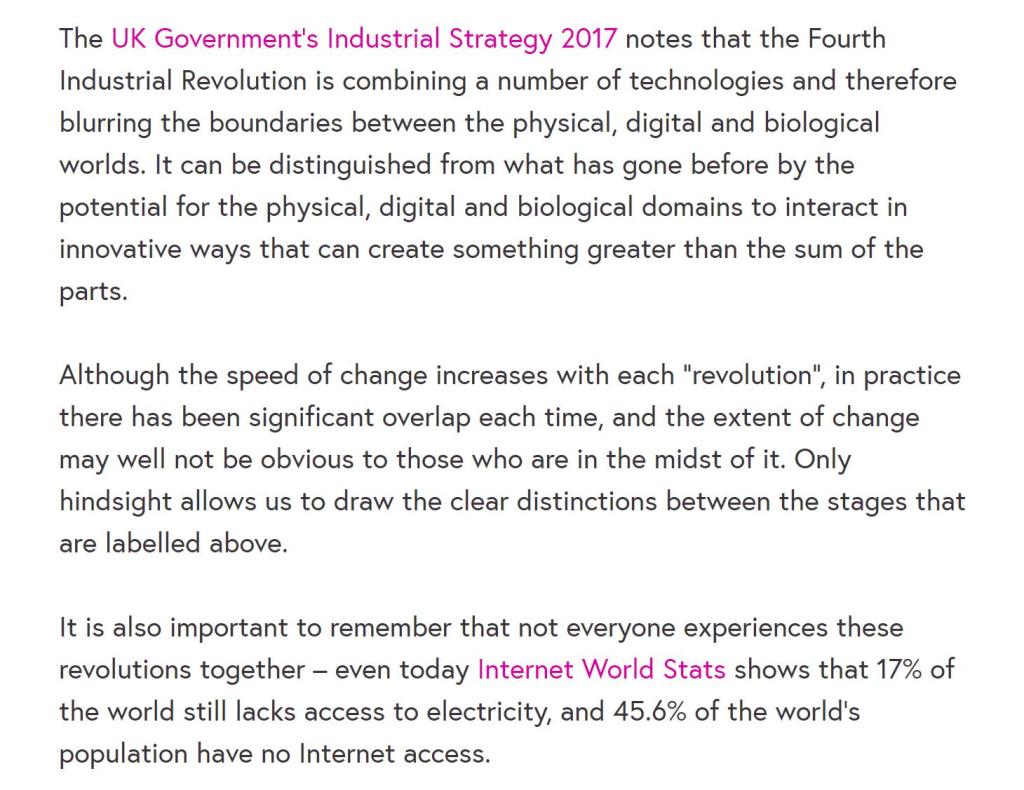
The first is the understanding of the Fourth Industrial Revolution. The concept of Industry 4.0 first appeared in Germany. The fourth industrial revolution was the transformation of social production methods driven by technologies such as the Internet of Things, big data, robots, and artificial intelligence (Waghid, Waghid and Waghid, 2019). The core of this technological revolution is the deep integration of networking, information and intelligence. Therefore, in the long run, it is necessary to develop and apply digital business models.

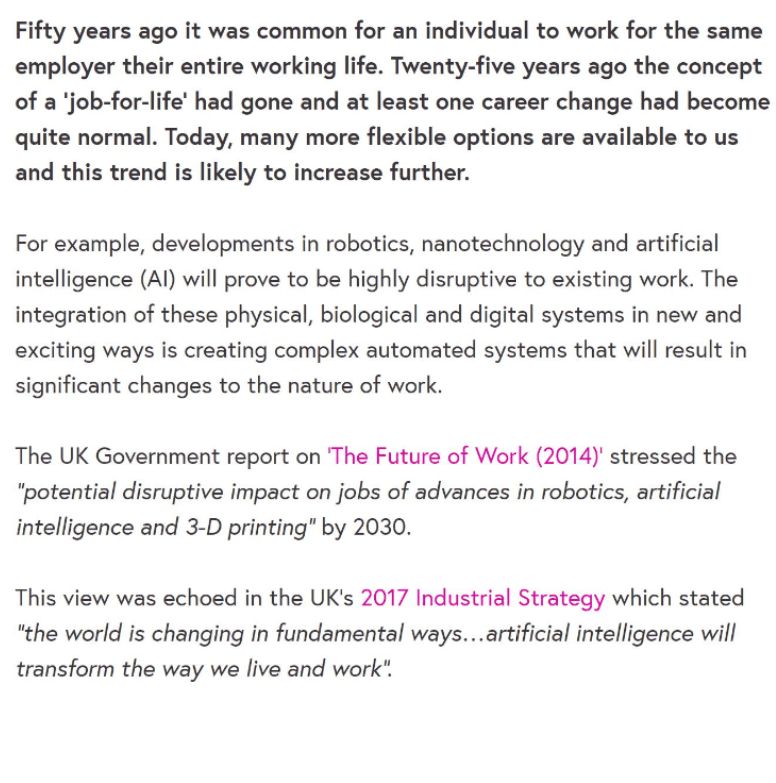
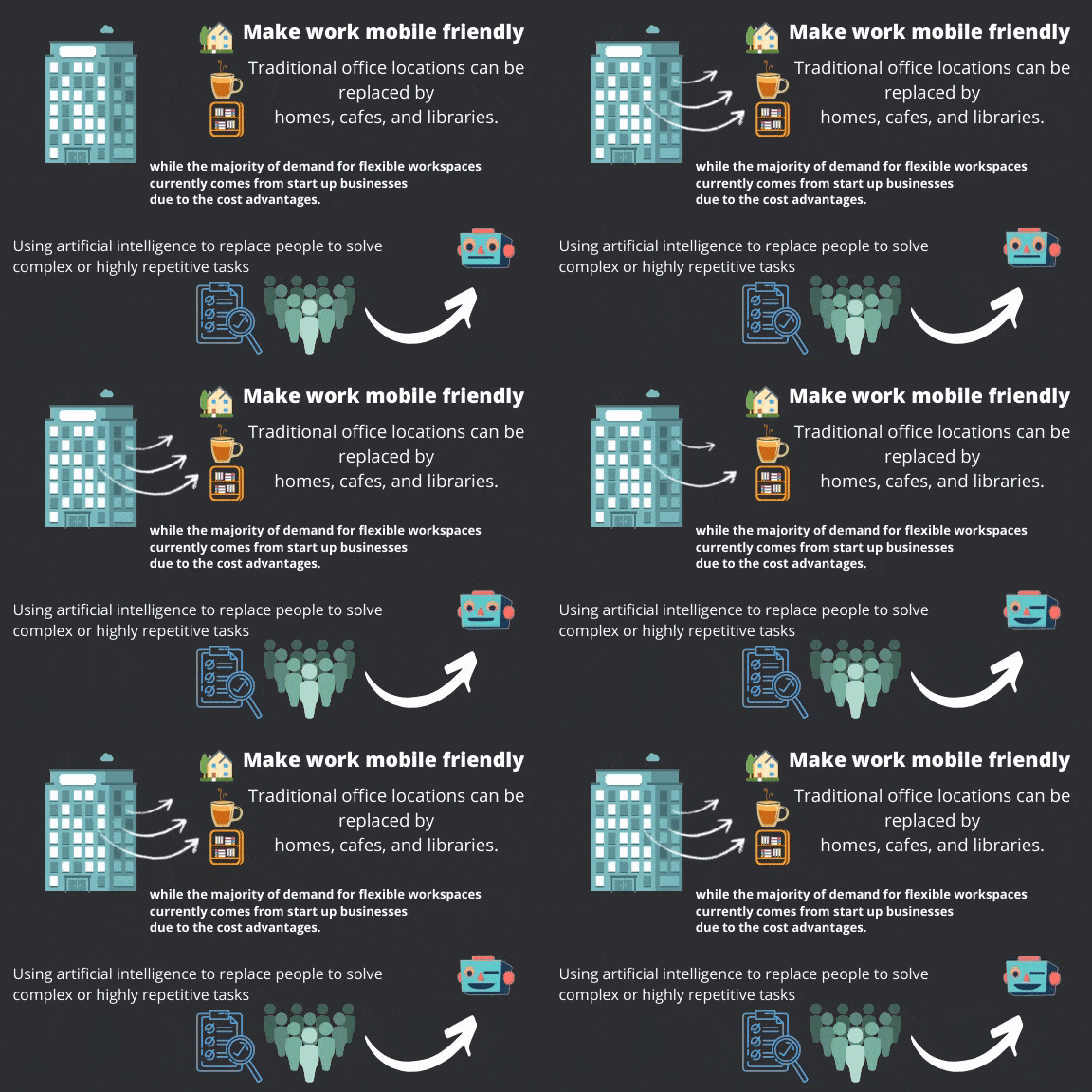
The second topic of concern is the impact of digital business models on people. The purpose of people’s work is not only satisfied with completing tasks, but also needs to be developed and learned in the work. Of course, even with the development of science and technology, there will be occupations and organizations that cannot be replaced, because they have special characteristics such as those shown below. Digitalization brings convenience, such as working hours and locations are no longer limited (O’Halloran, 2017), but it also brings challenges, such as great changes in sales formats. Traditional distribution channels have been squeezed, new channels represented by e-commerce platforms have expanded rapidly, the channels for production companies and consumers have become shorter, and the way in which products are spread has changed (Rad, Ghorabi, Rafiee and Rad, 2015). In short, people should seize opportunities and dare to accept challenges.


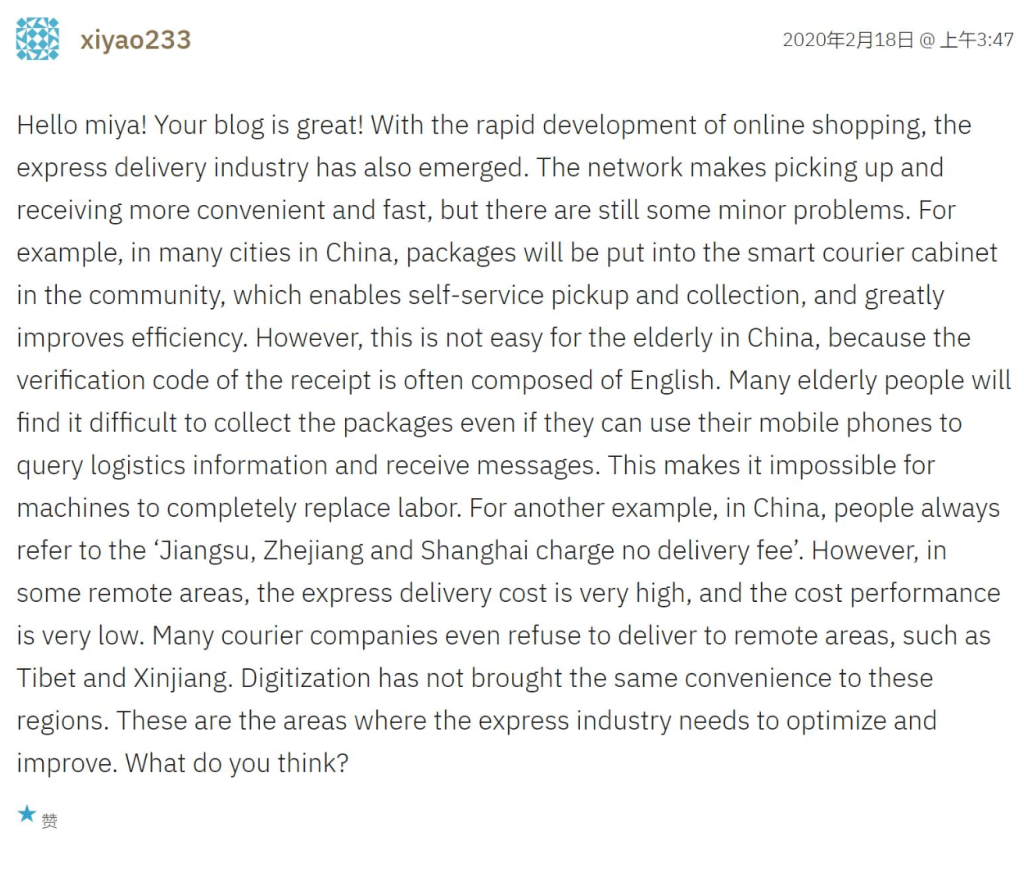
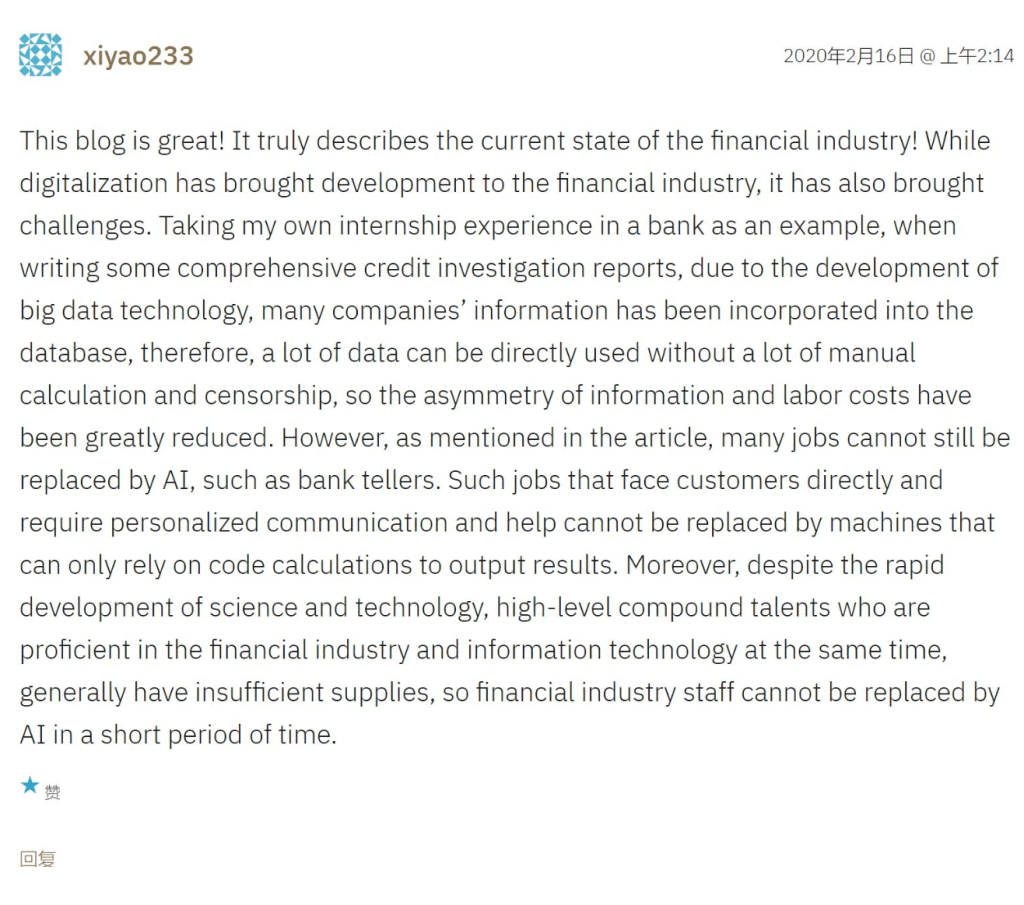
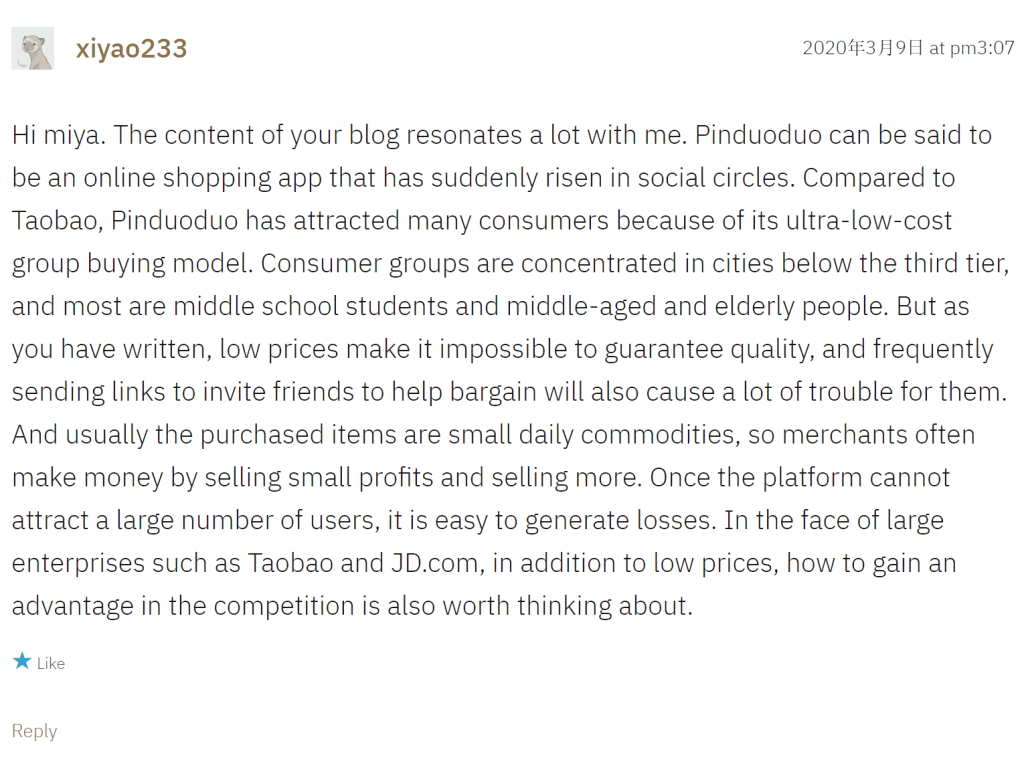
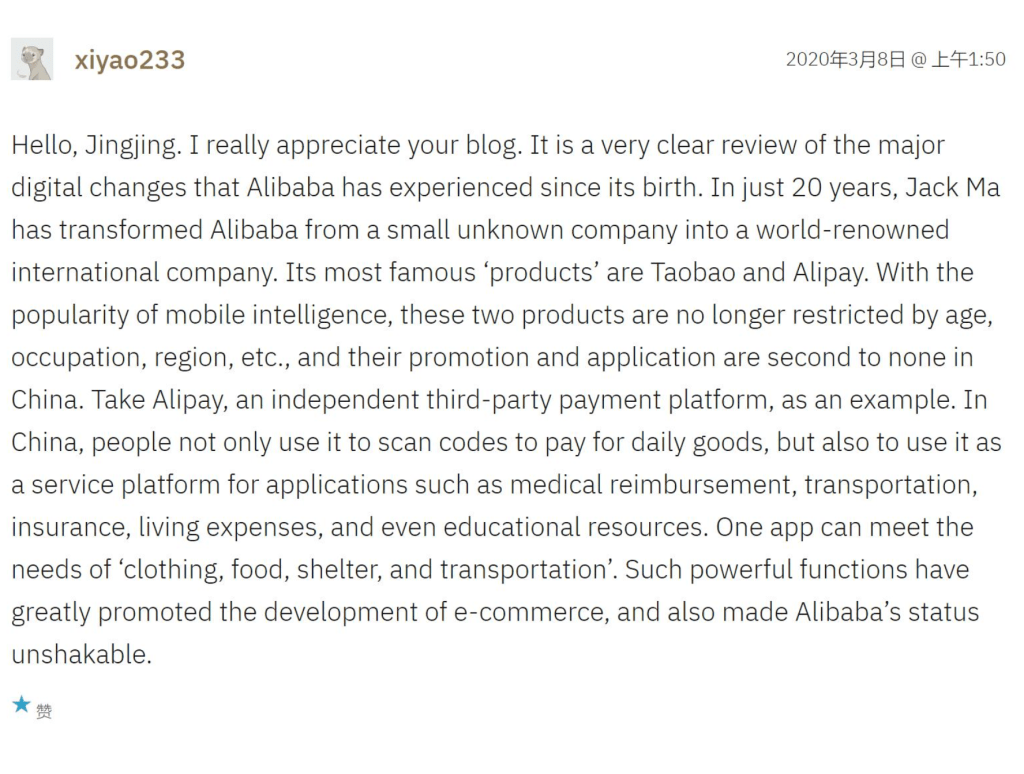
Finally, I have some reflections on blog comments. Below are screenshots of some of my comments on my classmates’ blogs. Through their comments on my blog and responses to my comments, I found that personal opinions are actually limited, and many views are narrow, but through multi-party exchanges, ideas can be broadened and articles can be sublimated and more in-depth.
Expectations for the future
References
O’Halloran, G., 2017. The Donkin Doctrine – The Aspirational Future Of Work. [online] WISP Blog. Available at: https://wispapp.com/blog/2017/02/13/the-donkin-doctrine-the-aspirational-future-of-work/ [Accessed 2 April 2020].
Rad, H. S., Ghorabi, M., Rafiee, M., & Rad, V. S. (2015). Electronic customer relationship management: Opportunities and challenges of digital world. International Journal of Management, Accounting & Economics, 2(6), 609-619.
Waghid, Y., Waghid, Z. and Waghid, F., 2019. The fourth industrial revolution reconsidered: On advancing cosmopolitan education. South African Journal of Higher Education, 33(06).
 Life Goes On